Overview
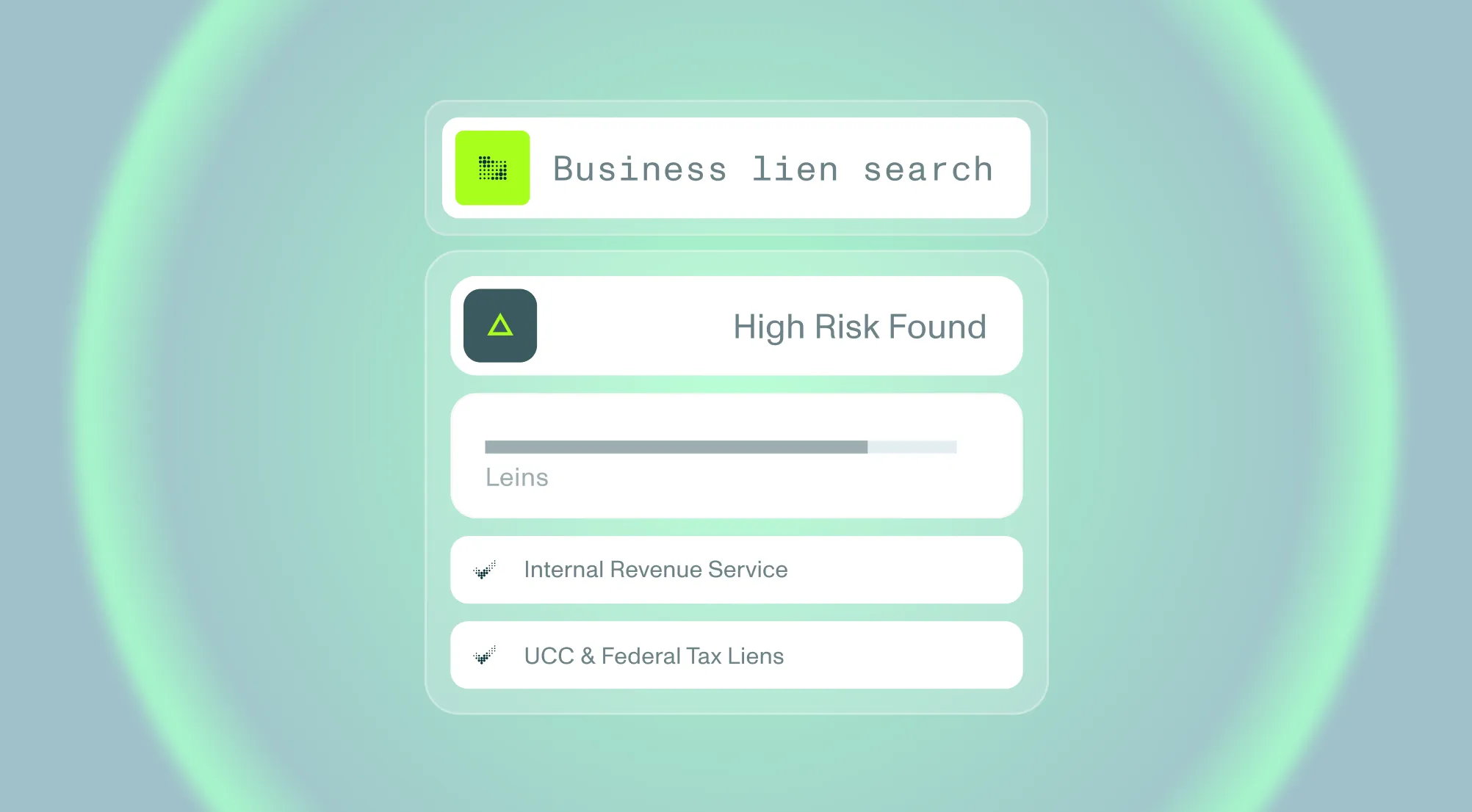
Lenders use a Uniform Commercial Code (UCC) lien search to find public filings that show whether another lender may already have a claim on a business’s assets. Those assets can include equipment, inventory, and money customers owe the business.
An existing claim can affect how much a new lender recovers if the borrower fails to repay. A search helps lenders spot those claims before making a loan, but it does not establish who gets paid first or protect the new lender’s rights.
In brief
- Search before lending to find potential claims on the assets offered to back the loan.
- Other lenders may get paid first from those assets if the borrower cannot repay.
- Use the business’s legal name, search the right state, and check for changes to earlier filings.
- A search finds filed notices. It does not create or protect a lender’s claim.
Why UCC lien searches matter in commercial lending
For a secured business loan, the borrower pledges collateral: assets the lender can use to recover unpaid debt. The lender’s legal right to those assets is called a security interest. Real estate generally follows separate mortgage recording rules.
Lenders protect that right against certain competing claims through a legal step called perfection. For many business assets, this means filing a UCC-1 financing statement, a public notice naming the borrower, the creditor, and the property covered. Other assets require different steps, such as taking possession or control.
UCC Section 9-322 generally puts competing perfected claims on the same assets in order by the earliest filing or perfection date, not the date of the loan. The earlier date counts only if there has been no gap when neither a filing nor perfection was in place. Special rules and agreements between lenders can change that order.
A junior lien is a claim that ranks behind another claim on the same assets. A later filing or perfection date often explains that position, but “junior” describes the ranking, not the age of the loan. If the borrower cannot repay, the junior lender collects from those assets only after higher-ranking claims are paid. It may recover less than expected or nothing.
What existing liens mean for a new loan
loan agreement and filing, it may cover assets the business owns now and acquires later. That broad coverage can overlap with the property offered for a new loan. Lenders need to compare the property descriptions in the filing and loan agreement with the assets they plan to lend against.
An unperfected security interest presents a different risk. The lender has not completed or maintained the legal step needed to protect its claim against certain other parties. A perfected claim generally takes priority over it. In bankruptcy, the trustee who administers the case may be able to set the unperfected interest aside, leaving the lender without its claim to those assets.
Common UCC search mistakes to avoid
A search can miss relevant filings if it uses the wrong business name or filing office, and an older result may leave out later changes. Check these four details before relying on the results:
- Business name: Search the legal name in the current state formation record and investigate relevant former names. UCC Section 9-503 requires the correct legal name for a registered company. A trade name alone is not enough.
- Filing location: For a corporation or limited liability company (LLC), ordinary UCC filings generally belong in the state where it was formed. The location of its store or office may differ. Certain assets follow different rules.
- Search coverage: Check the date through which the filing office’s records are included, not just the day you ran the search. Recently submitted filings may not yet appear.
- Filing history: Review amendments, extensions called continuation statements, and termination notices. These later records can change what the original filing covers or whether it remains effective.
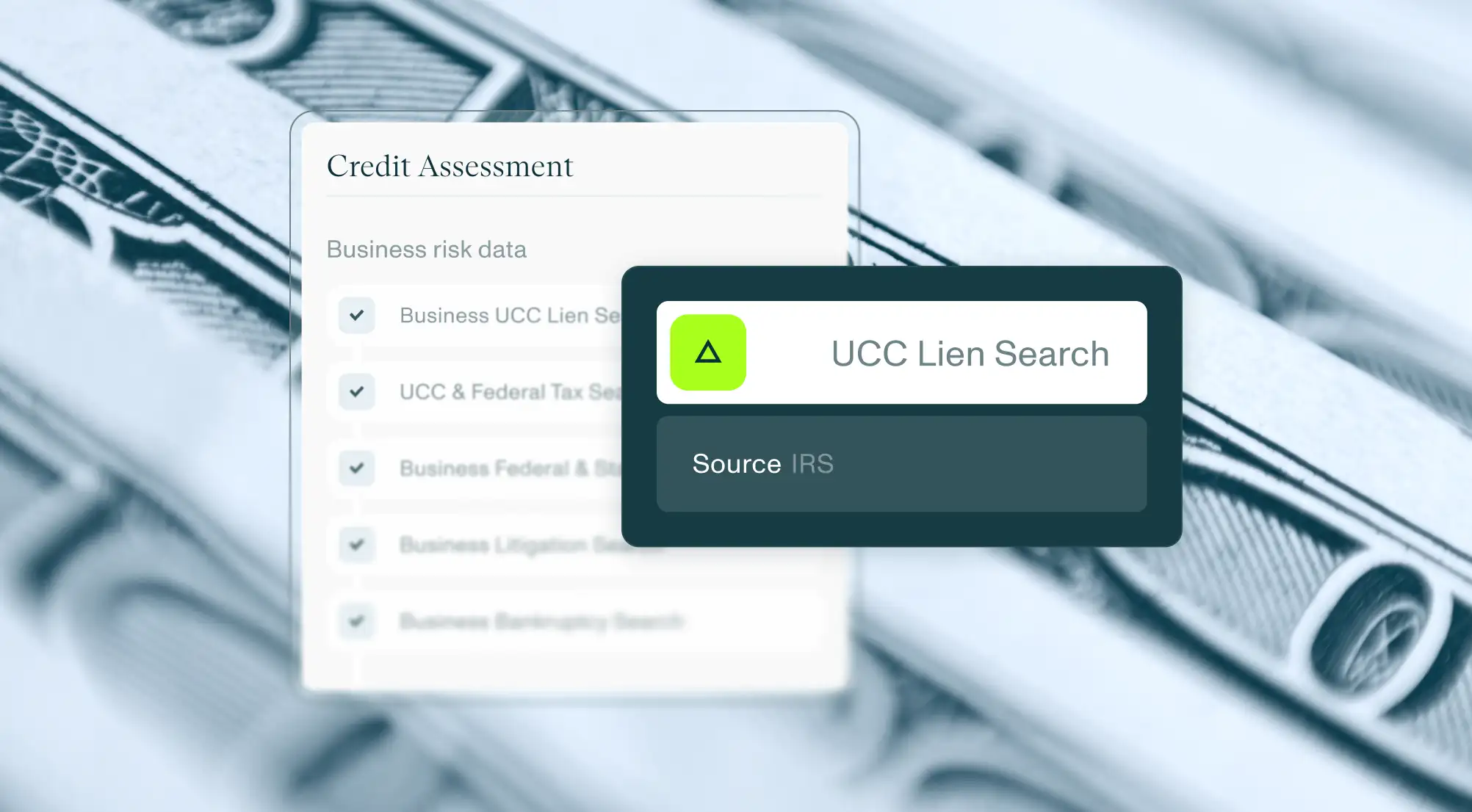
Middesk supports UCC searches and lien filing and termination workflows. If an existing claim conflicts with a proposed loan, the lender still needs to arrange any necessary release or agreement on repayment order and complete the required filings.
Frequently asked questions
What is a UCC-1 financing statement?
It is a public notice of a creditor’s claimed interest in specified business property. It helps other lenders identify potential claims, but it does not by itself prove that the debt remains unpaid or that the claim is enforceable.
Where do you search for UCC filings?
For a corporation or LLC, start with the designated filing office, usually the Secretary of State, in its state of formation. For example, a Delaware LLC with a California store generally has ordinary UCC filings in Delaware. For an individual borrower, including a sole proprietor, the general rule uses the person’s principal residence. UCC Section 9-307 defines these locations. Other business structures and certain assets, including some property attached to real estate, follow different rules.
How long does a UCC lien remain active?
A standard financing statement generally lasts five years. A creditor can extend it for another five years by filing a continuation statement within the six months before it expires, under UCC Section 9-515. Some filings have different durations. An expired notice does not necessarily mean the debt has been repaid, so check the filing history and current loan information.
Can a later filing take priority over an earlier one?
Yes. UCC Section 9-324 gives certain loans used to buy assets priority over existing claims on those assets if the lender meets the applicable requirements. A lender can also agree to let another lender take priority. Filing dates are a starting point, not a complete answer.
Does a mistake in the borrower’s name invalidate a UCC filing?
Not always. Under UCC Section 9-506, a name error may not invalidate the filing if a search under the correct name using the filing office’s standard search method would still find it. A doing-business-as (DBA) name is the name a business trades under. Using only that name does not satisfy the debtor-name requirement.

New to Middesk?
Talk to our team to see what business identity intelligence looks like inside your workflow.
Get a demo